Why endometriosis can lead to infertility
Reading Time: 3 minutesEndometriosis is a systemic and complex clinical picture that can have a negative impact on women's reproductive health and quality of life. It is a chronic inflammatory disease with a high social impact since, in Italy alone, 10-15% of women of reproductive age are affected by endometriosis. The pathology has a high social impact due to the characteristics with which it presents itself, the most typical symptomatology being chronic pelvic pain, dyspareunia, dysmenorrhoea, urinary or gastroenteric symptoms. The condition affects approximately 30-50% of women who are infertile or have difficulty conceiving. There are at least 3 million women with an established diagnosis.
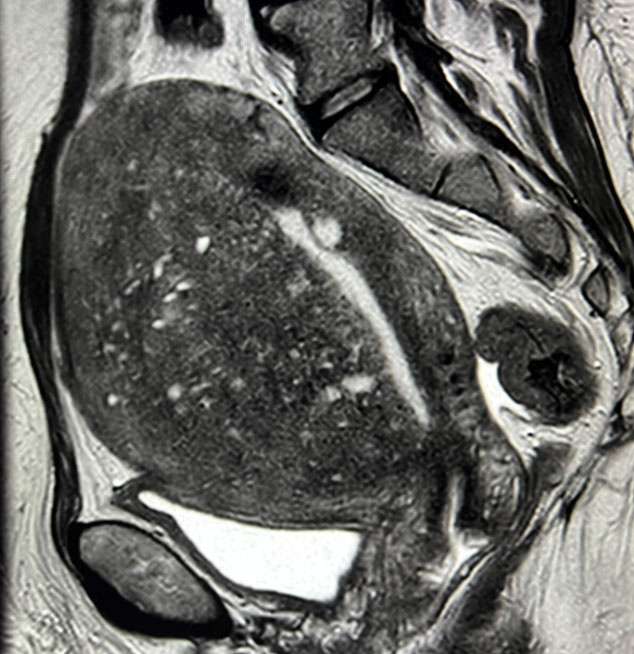
Specifically, endometriosis is characterised by an abnormality of the internal tissue of the uterus (endometrium), the cells of which are pathologically located in ectopic areas, such as on the ovary, peritoneum, tubes, vagina, intestine or bladder, hence the typical symptomatology just mentioned. If we want to simplify, we could say that these ectopic implants maintaining the characteristics of the endometrium are receptive to hormonal trends and therefore cause irritation in the surrounding tissues, and scarring that can affect the functioning of the fallopian tubes, the quality of the oocytes present in the ovaries and the endometrial cavity itself.
It is important to emphasise that not all women with endometriosis are necessarily infertile, nor is it an insurmountable obstacle in the case of infertility treatment or assisted reproduction treatments. Some women, however, discover that they have it precisely because they are unable to become pregnant, depending on the extent of the disease, the affected organ and its location. Despite the clinically recognised association between endometriosis and infertility, the mechanisms involved in endometriosis-associated infertility are unclear and the condition is currently considered multifactorial. Endometriosis can affect conception in several ways: in the case of a cyst on an ovary, it may or may not interfere with the function of the organ and the monthly release of the ovum for fertilisation, thus undermining the ovarian reserve. In other cases, due to chronic inflammation and the resulting adherent fibrotic tissue, it may obstruct the normal passage within the fallopian tubes, preventing the meeting of the oocyte and sperm or the return of the fertilised egg to the uterus.
Endometriosis is associated with a 9-fold increased risk of profound dyspareunia, mainly due to the infiltrative form and severe stages of the disease affecting the posterior vaginal fornix, the sac of Douglas, the uterosacral ligaments, and the rectum. Although relatively common, dyspareunia is not the only sexual disorder in women with endometriosis. Systematic reviews have shown that about two-thirds of women with endometriosis have some form of sexual dysfunction that is not limited to profound dyspareunia. Chronic, non-menstrual pelvic pain associated with the disease may affect sexual life by reducing desire, frequency of sexual intercourse, arousal or orgasm. This will have a significant negative impact on intimate relationships, emotional well-being and overall quality of life.
Endometriosis can be considered a chronic condition, recurring in 50% of cases, managed by drugs and surgery with the aim of reducing symptoms and eliminating all visible implants, but for which there is still no definitive treatment. For these reasons, the risk of recurrence is so high that patients diagnosed with ovarian endometrioma often undergo repetitive surgeries, which may even lead to premature ovarian failure. In fact, the negative association between the number of surgeries for excision of ovarian endometriosis and reproductive potential is well known and documented. The ovary is the most common site of endometriosis. Ovarian reserve is one of the main prognostic factors for fertility and is largely related to a woman's age. Ovarian reserve is defined as the supply of non-growing, non-recruited primary follicles and, even in non-surgical patients, the ovarian reserve of women with endometriosis appears to be reduced due to excessive activation of primordial follicles driven by the PI3K-PTEN-Akt pathway (phosphatidylinositol 3-kinase-phosphatase and tensin homologue-protein kinase B) or other inflammatory processes typical of endometriosis. Lastly, endometriosis can affect fertility through other mechanisms: abnormalities of the eutopic receptive endometrium, tubal dysfunction, dyspareunia and the related reduced frequency of intercourse, and finally due to the drugs required for pain relief, which are contraceptive by definition.
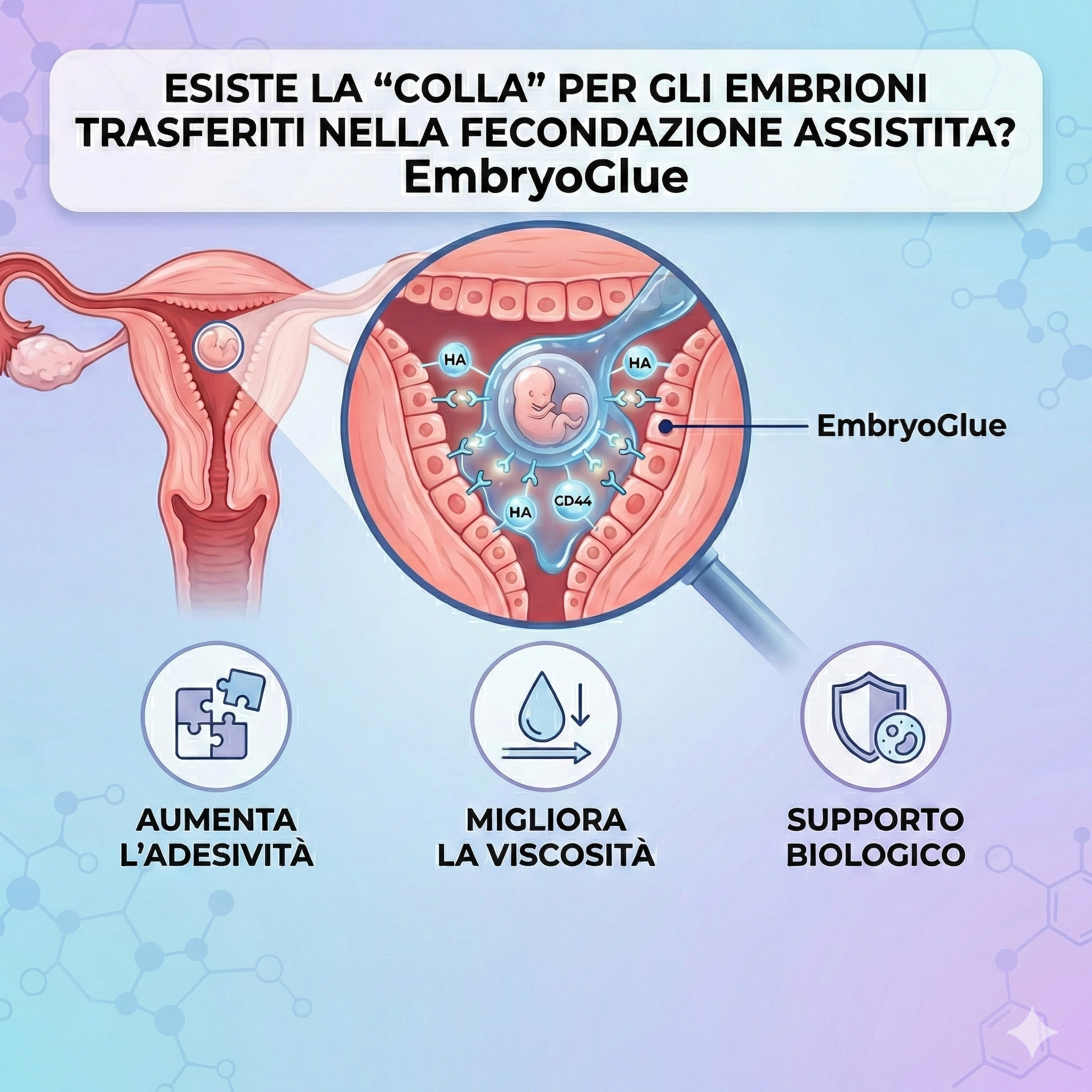
Implantation rates are reduced in women with endometriosis during both natural cycles and ART treatments, even in patients with minimal disease. However, data from clinical trials suggesting that endometriosis leads to implantation defects involving the endometrium are still conflicting. Defective implantation could be due to reduced endometrial receptivity or decidual capacity in these women. However, the specific mechanism and signal that leads to alterations in the endometrial microenvironment of women with endometriosis are not fully characterised. How the immune system contributes to and influences the endometrial microenvironment and implantation window is not yet well understood, The eutopic endometrial microenvironment of women with endometriosis appears to be more proinflammatory than in controls, and aberrant functions of some immune populations may lead to an inhospitable environment for embryo implantation.
In women with infertility, early diagnosis of endometriosis is crucial from a fertility point of view because the burden of the disease could be even more deleterious if aggravated by the negative effect of advancing age on ovarian reserve.